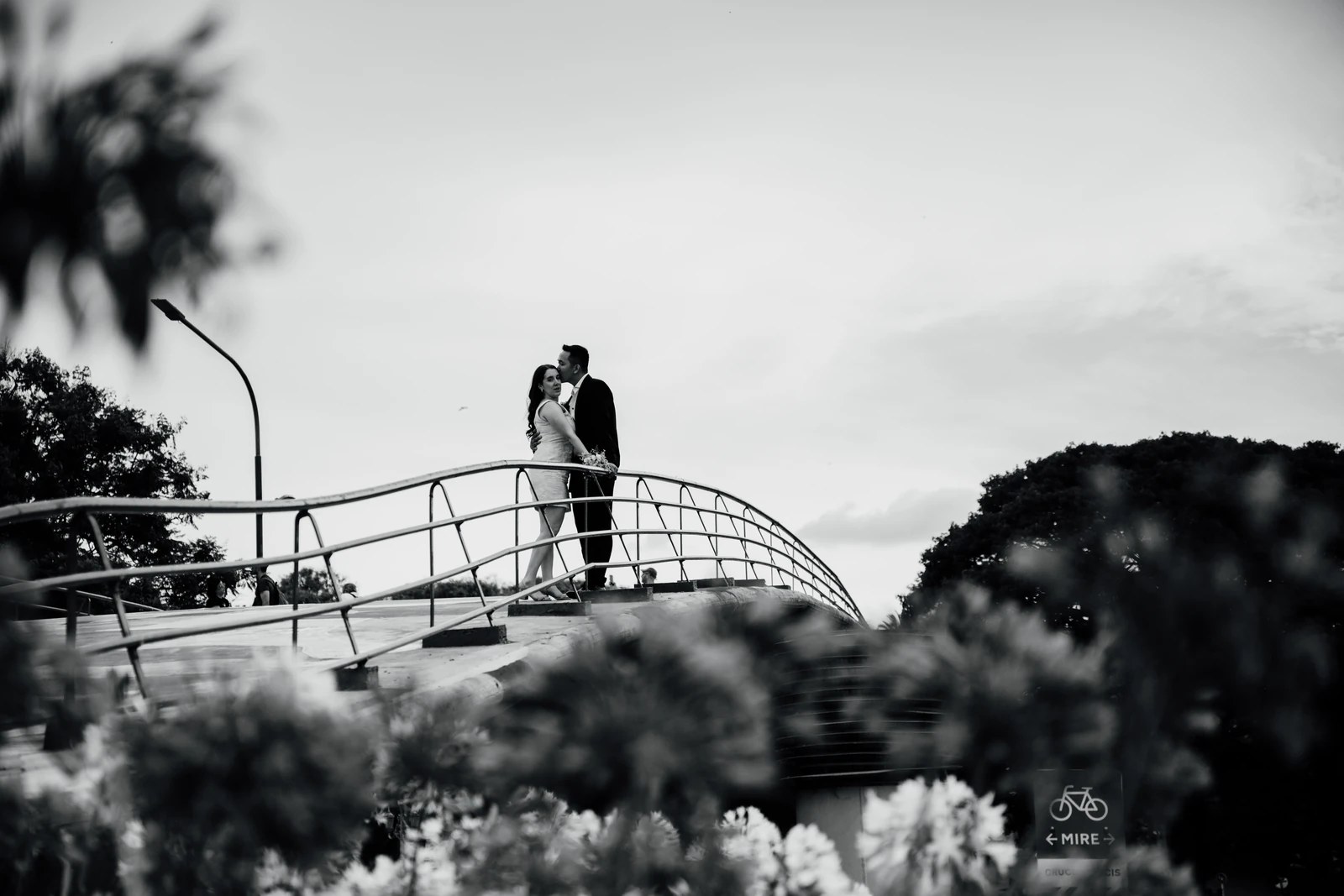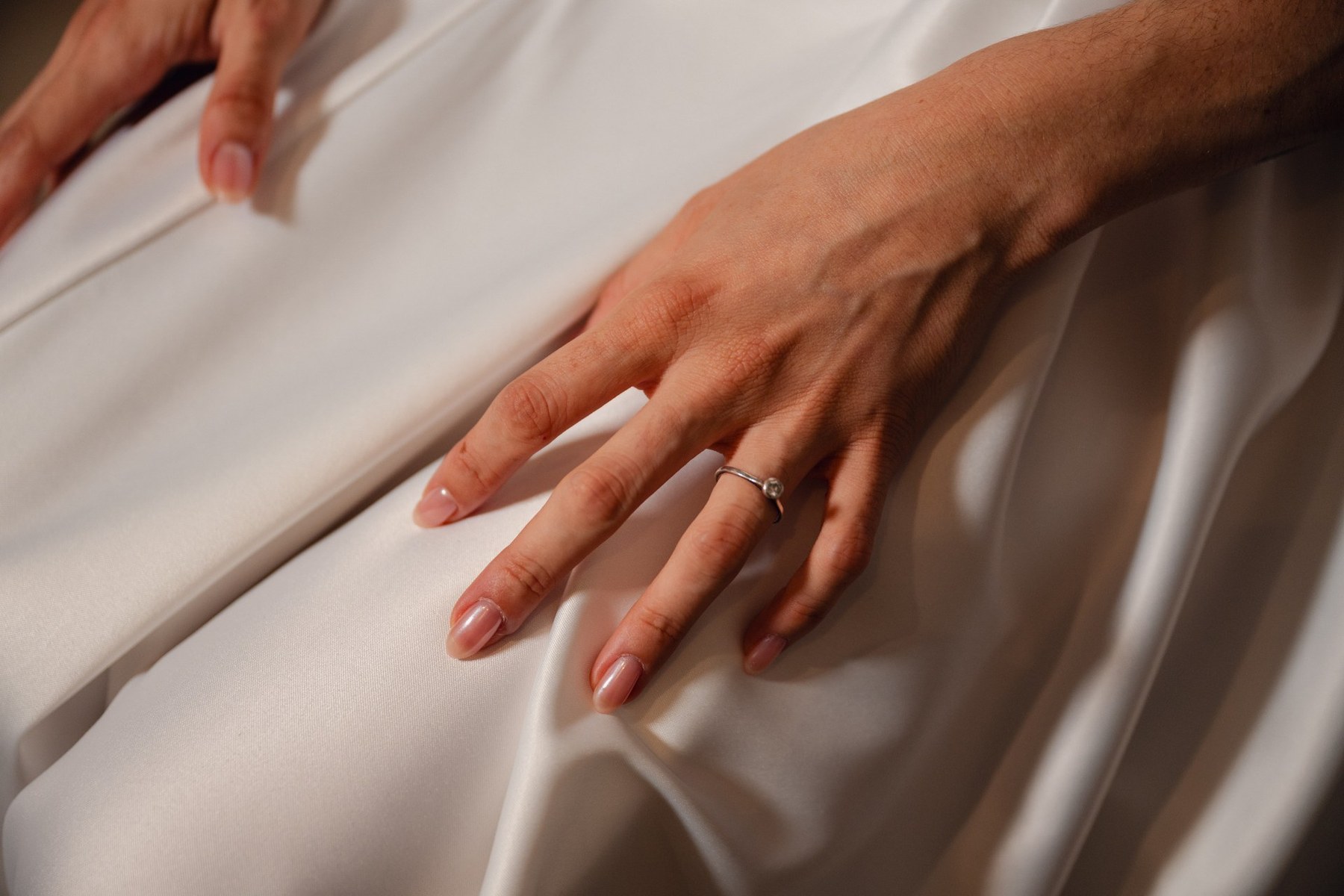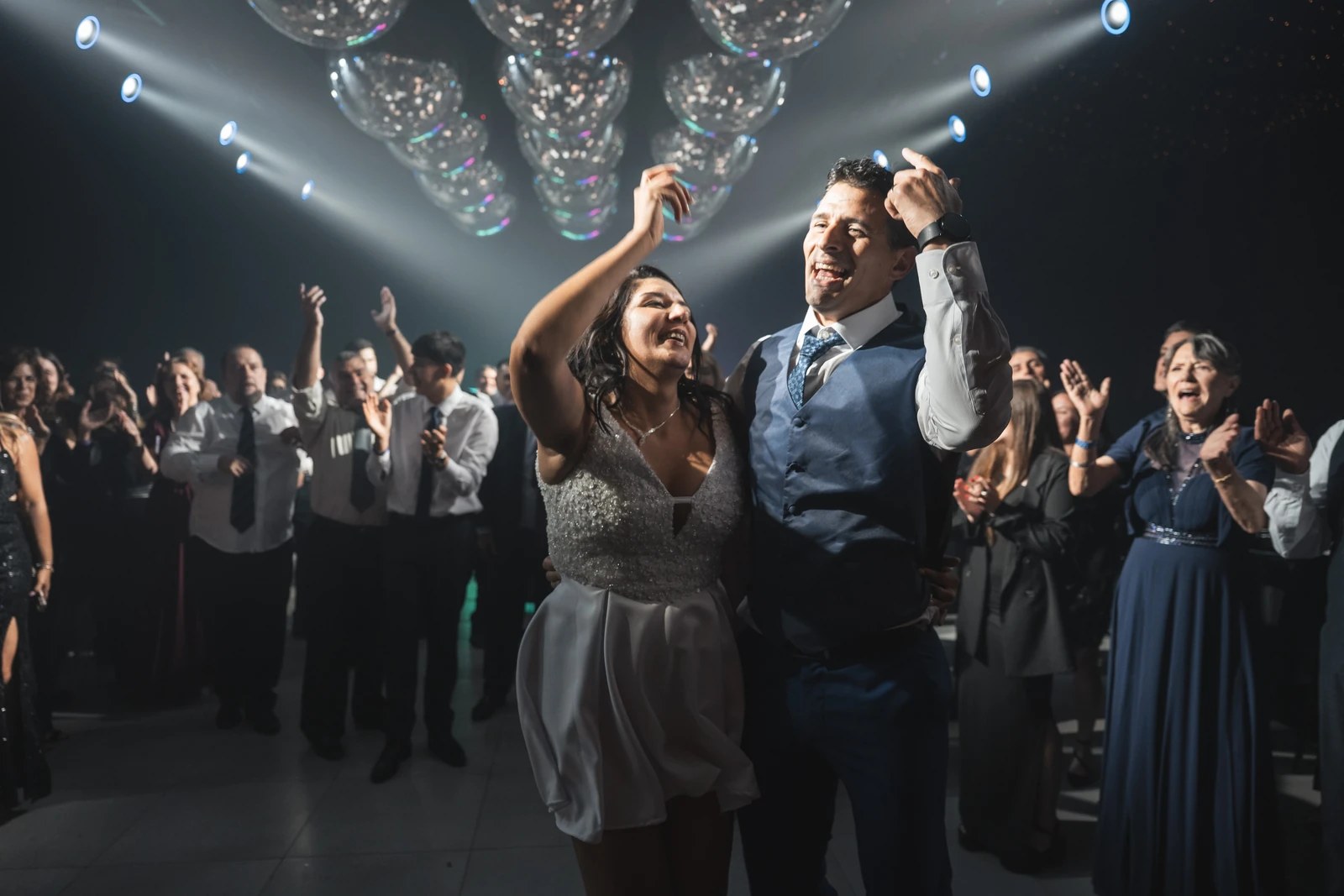
The phrase “documentary wedding photography” is widely used, but it means more than taking pictures without intervening. For me, it means understanding what is happening, anticipating it and making the photograph without asking the couple to repeat everything for the camera.
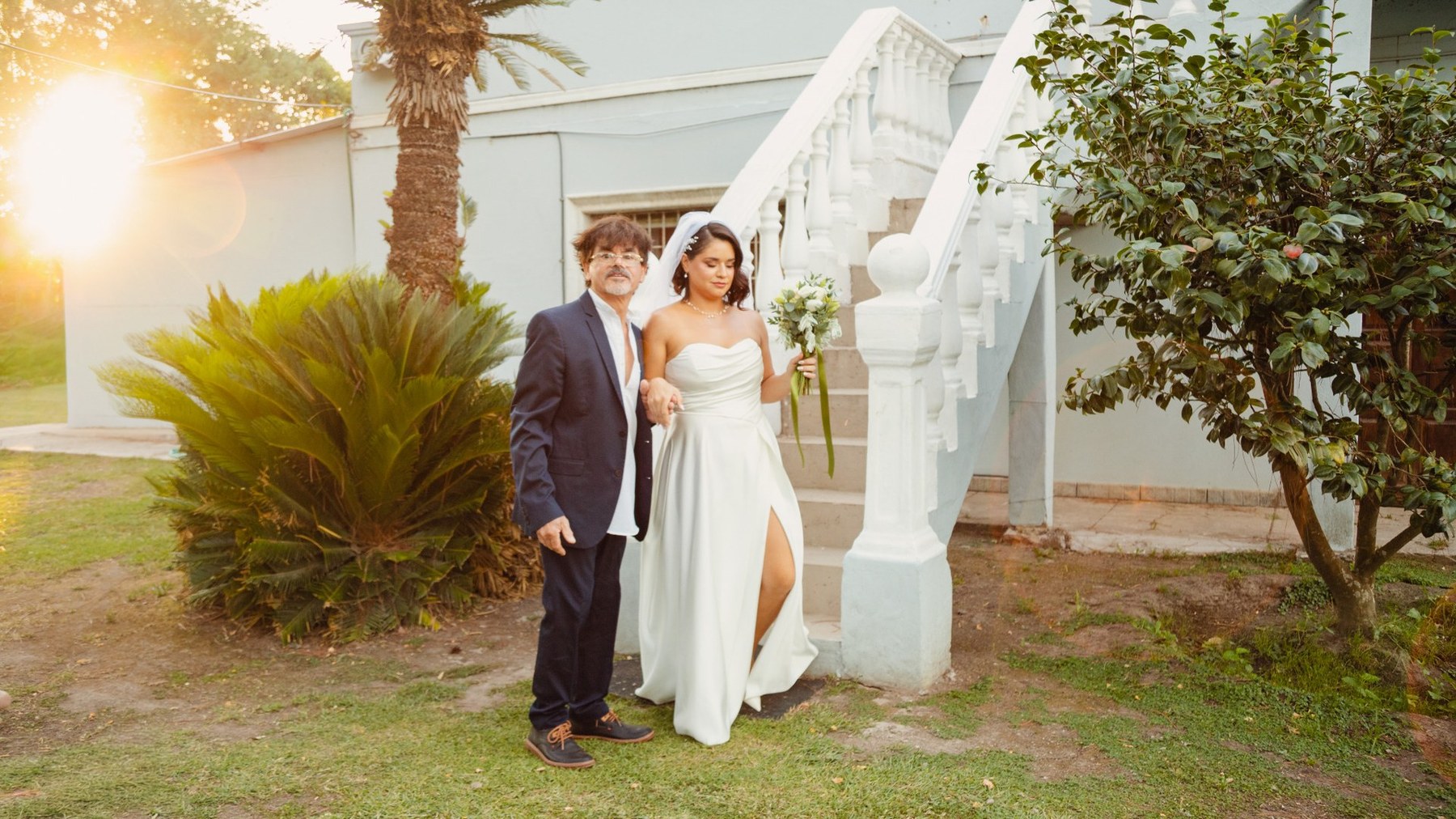
What changes compared with heavily directed coverage
With too much direction, much of the day revolves around the photographer. A documentary approach adapts the camera to the wedding's own rhythm. You need to read relationships, choose where to stand and anticipate what may happen seconds later.
That takes technique and decisions. A spontaneous scene is not enough if the background distracts, the exposure is wrong or we arrive late. Natural images are not accidental: often the work is to solve everything before the gesture appears.
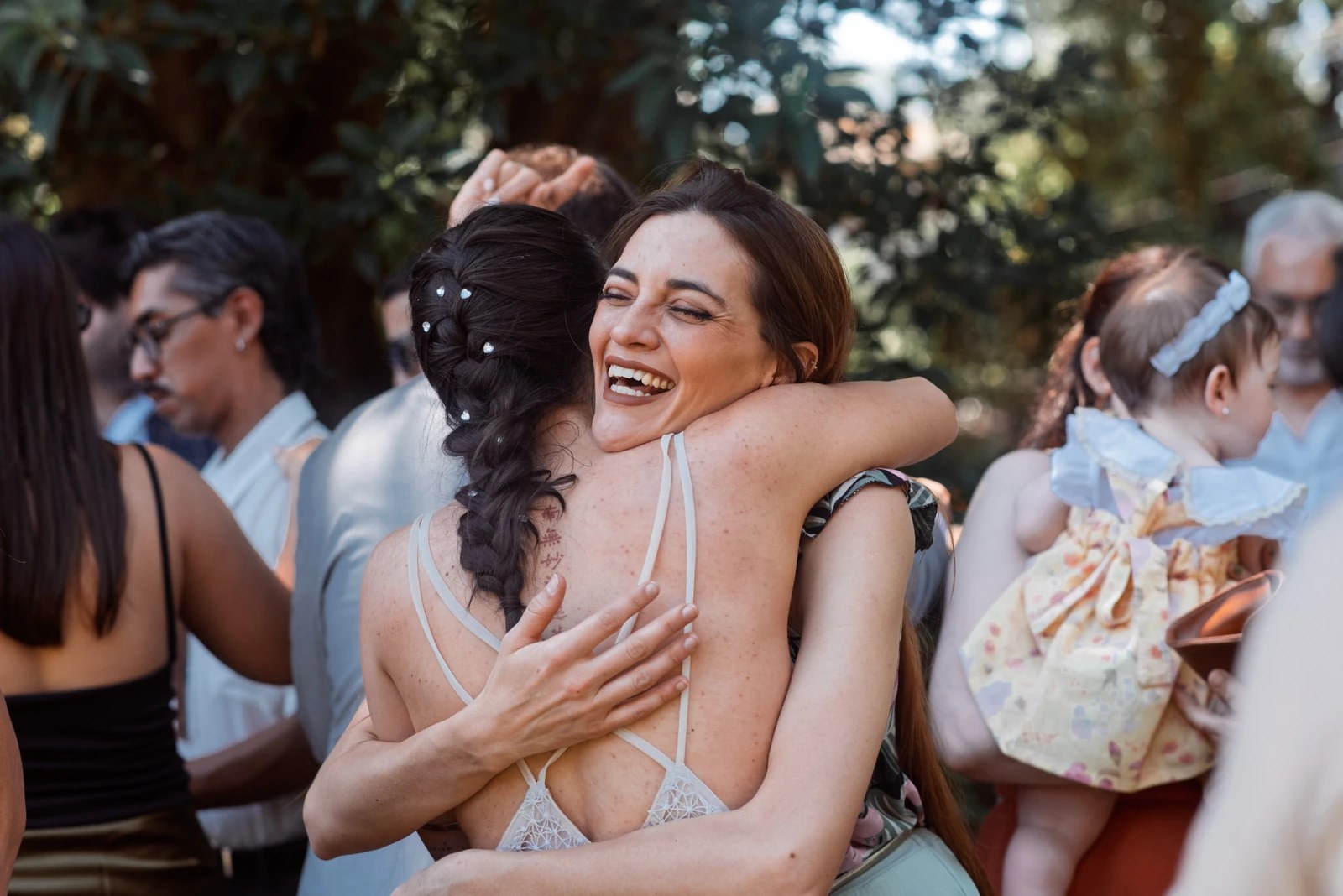
Does that mean nobody ever poses?
No. Direction helps with some moments: a couple portrait with little time, a photo with parents and siblings, a large group or moving a few metres to improve the light. The difference is that guidance is brief and has a reason.
If a scene already works, I try to leave it alone. If it needs a little help, I intervene just enough.
What happens when nobody watches the camera
Greetings, the party, journeys and waiting moments bring expressions you cannot fully manufacture. The task is to stay close without intruding: a two-second gesture should not become a scene repeated five times.
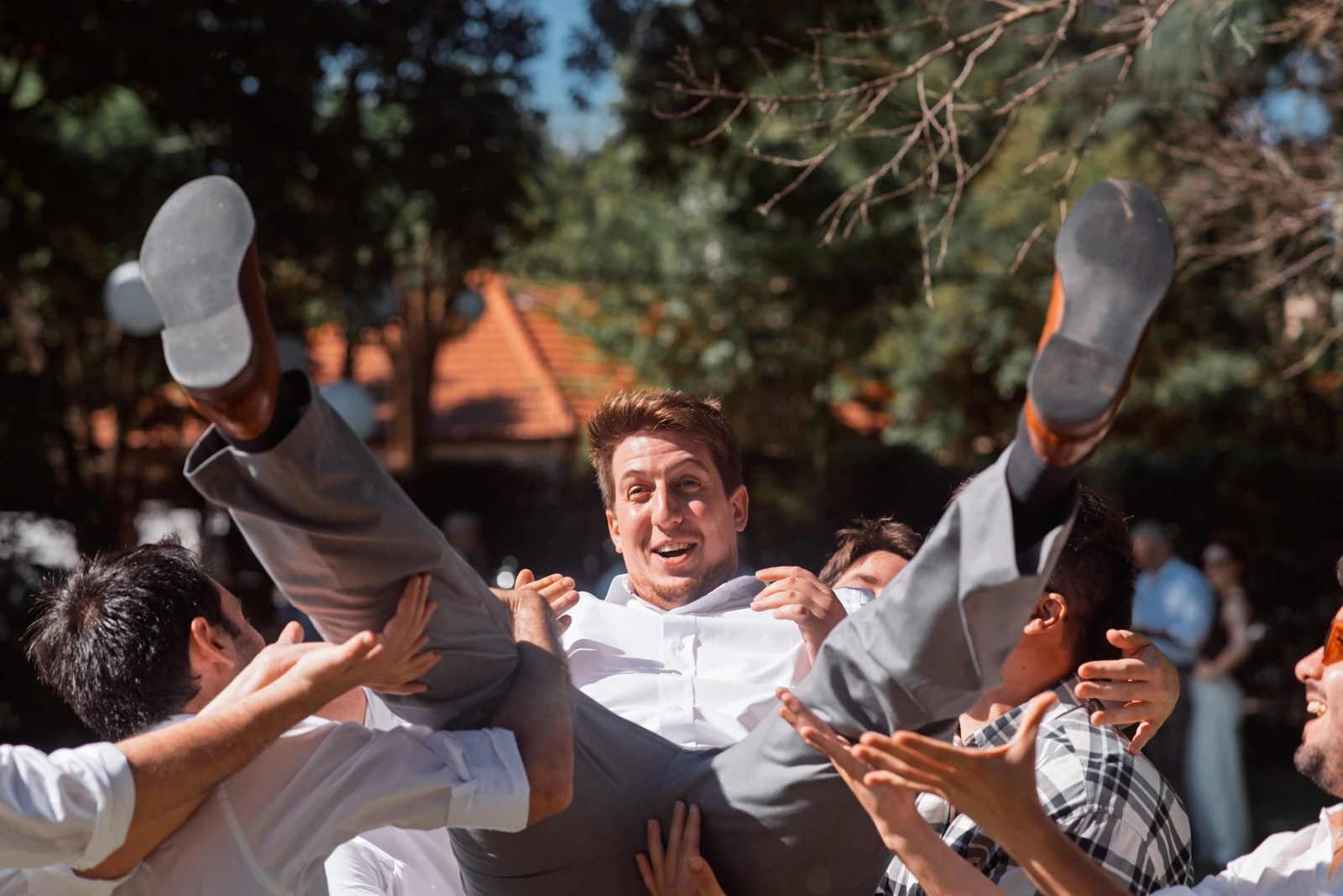
How to assess this style before booking
I would ask to see a complete wedding, rather than only twenty Instagram highlights. That shows whether the photographer can sustain a story from the beginning to the party, beyond producing beautiful portraits.
You can explore my real wedding galleries to see how spontaneous scenes, portraits and party moments coexist in full coverage.
If you already have a date and location, you can ask me about availability and we'll discuss the coverage that makes sense for your wedding.